.png)
When sourcing precision-machined components for medical devices, the supplier you choose is more than just a vendor. They are an extension of your compliance and quality ecosystem. For procurement professionals in the medical device industry, each purchase order carries risk: incomplete documentation, delayed shipments, and, most importantly, nonconforming parts that can jeopardize patient safety or trigger regulatory action.
That is why ISO 13485 supplier selection for medical device machining is not just a procedural requirement. It is a strategic process that ensures every supplier relationship supports your company’s quality management system (QMS). Choosing the right machining partner protects your production line, reduces compliance risk, and strengthens your organization’s reputation.
This article explains how ISO 13485 shapes supplier management, what to look for when evaluating machining vendors, and how to establish lasting confidence and control across your procurement process.
Understanding ISO 13485 in the Procurement Context
ISO 13485:2016 outlines QMS requirements for medical device design, production, and servicing. While engineers focus on product design and process validation, procurement teams are responsible for supplier qualification and oversight. Your suppliers’ activities directly affect your company’s ability to maintain compliance.
Clause 7.4, Purchasing Controls, requires manufacturers to verify that purchased products and services meet specified requirements. You must demonstrate that every supplier you approve is capable, consistent, and compliant.
This is why ISO 13485 supplier selection for medical device machining is essential. The supplier’s QMS and documentation practices must align with your own system so that you can seamlessly integrate their processes into your quality framework. When your machining suppliers are already ISO 13485 certified, it streamlines your internal audit readiness because their documented controls, validations, and traceability records can be leveraged as part of your own compliance evidence. This alignment minimizes redundant verification work, supports smoother FDA audits, and helps your procurement team demonstrate complete control of the purchasing process.
Why Supplier Selection Is a Critical Decision
Medical device components are often custom-machined, high-value parts produced under tight regulatory control. A single deviation in machining, cleaning, or inspection can significantly impact device safety and performance.
Selecting a machining supplier certified to ISO 13485 is about more than compliance. It provides confidence in:
- Validated machining processes that ensure precision and repeatability.
- Complete traceability for every batch of material and part produced.
- Consistent on-time delivery supported by documented inspections and certifications.
A supplier such as Swiss Machine Products, certified to both ISO 9001 and ISO 13485, provides built-in alignment with regulatory and customer expectations. This minimizes audit exposure and ensures your supply chain remains stable and compliant.
The Foundation: ISO 13485 Clause 7.4 – Purchasing Controls
Clause 7.4 defines how manufacturers must manage their suppliers. The standard requires you to:
- Define supplier selection and evaluation criteria based on product risk.
- Establish documented purchasing data that specifies acceptance and verification requirements.
- Implement monitoring and re-evaluation schedules for ongoing control.
- Maintain records of supplier performance and audit results.
Following these practices provides objective evidence of supplier control and demonstrates that your purchasing decisions are driven by risk management and quality, not cost or convenience.
Key Evaluation Criteria for Medical Machining Suppliers
A strong evaluation process helps you qualify suppliers efficiently while maintaining compliance with ISO 13485 and FDA 21 CFR 820.50 requirements.
1. Quality Management System Alignment
Start by reviewing your supplier’s ISO 13485 certificate, quality manual, and scope of registration. Confirm that the certification includes explicitly Swiss-style machining for medical components.
Their documented procedures should cover:
- Control of nonconforming product
- CAPA and supplier-related corrective actions
- Document control and employee training
- Internal audits and management review
When a supplier’s QMS mirrors your own, it simplifies audits, reduces documentation requests, and eliminates communication gaps between your quality and procurement teams.
2. Process Validation and Documentation
Medical machining often involves special processes that must be validated. Request supporting documentation such as:
- IQ/OQ/PQ validation reports
- Gage R&R and Cpk/Ppk studies
- Verification of inspection methods and equipment calibration
Validated processes show that the supplier’s quality controls are written and proven. This is a cornerstone of ISO 13485 supplier selection for medical device machining because repeatable results are critical for device safety.
3. Risk-Based Supplier Evaluation
Procurement agents should categorize suppliers based on the risk and function of the parts they produce. Components that are patient-contacting, sterilized, or life-sustaining require enhanced oversight compared to non-critical parts.
A practical risk-based approach includes:
- Defining supplier categories such as Critical, Major, and Minor
- Assigning audit frequency and monitoring intensity by risk level
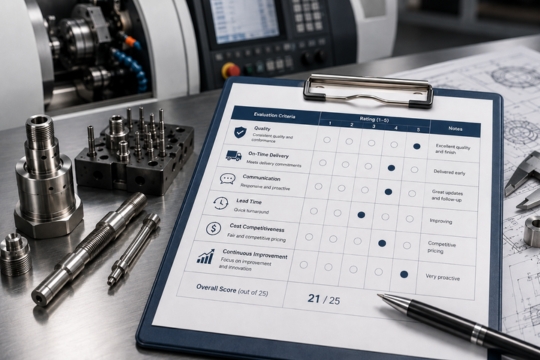
- Maintaining supplier scorecards to track performance metrics like delivery, CAPA response, and defect rates
The most successful procurement teams go beyond basic tracking. They integrate supplier metrics into their ERP or quality management systems, enabling automatic flagging of suppliers whose performance trends downward. This proactive approach helps your team identify potential risks early, implement corrective actions, and prevent costly disruptions in production. Over time, this risk-based structure builds a culture of accountability between your organization and its suppliers.
4. Material Control and Traceability
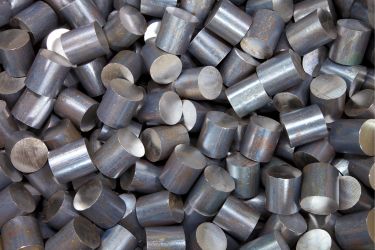
Traceability is fundamental in medical device manufacturing. Your machining partner should be able to connect each finished component to its raw material certifications, production batch, and inspection results.
Swiss Machine Products provides full material lot traceability, ensuring every step, from material sourcing to final inspection, is documented. This level of control allows you to link supplier data directly to your device master record and maintain complete transparency across your supply chain. Procurement agents benefit from this clarity because it simplifies recall readiness and ensures audit trails can be produced instantly when regulators request evidence.
Supplier Qualification: Questions Procurement Should Ask
When evaluating potential machining suppliers, procurement professionals can uncover valuable insights by asking the right questions:
- How is supplier qualification documented within your QMS?
Confirm that written procedures define how suppliers are approved and monitored. - Can you provide documented evidence of process capability?
Request examples such as First Article Inspection (FAI) or PPAP documentation. - Do you maintain a Supplier Quality Agreement (SQA)?
Ensure that roles, responsibilities, and acceptance criteria are defined in writing. - How are changes and deviations managed?
Ask about their change control and notification process to prevent surprises during production. - What is your re-evaluation schedule?
Verify that periodic reviews and risk-based re-qualifications are built into their quality system.
These questions allow you to identify suppliers who treat compliance as a daily discipline rather than a marketing claim.
Strengthening Cross-Functional Collaboration
Supplier selection and monitoring do not fall on procurement alone. Successful supplier management requires collaboration between purchasing, quality, and engineering teams.
- Procurement ensures contractual clarity and pricing transparency.
- Quality verifies QMS compliance and manages audits.
- Engineering confirms that the supplier’s equipment and processes can meet technical specifications.
Establishing a shared evaluation checklist across departments ensures that every supplier is reviewed through multiple lenses. This cross-functional approach reduces the risk of missed details, particularly when sourcing complex machined components for regulated devices.
Preparing for Supplier Audits
Audits are essential to ISO 13485 compliance and can be stressful if documentation is incomplete. Procurement teams can make audits easier by maintaining a centralized supplier file that includes:
- Approved supplier evaluation forms
- Certificates, audits, and CAPA records
- Performance metrics and scorecards
- Current copies of quality agreements and risk assessments
Before each audit, schedule a short internal pre-audit review with your supplier to confirm that key records are current and accessible. Many procurement professionals find value in creating an “audit readiness binder” that consolidates all relevant supplier documentation, including inspection reports and certificates of conformance.
A supplier such as Swiss Machine Products simplifies this process by maintaining detailed, accurate records aligned with ISO 13485 and FDA 21 CFR 820.50 purchasing control expectations. Their documentation makes passing audits without last-minute data collection or uncertainty easier.
When you consistently work with ISO 13485-certified machining suppliers, your organization gains another advantage: predictable audit outcomes. Auditors quickly recognize suppliers within an established QMS, which builds credibility for your company’s entire procurement function.
Monitoring Supplier Performance Over Time
Once a supplier is approved, ongoing monitoring ensures continued conformity. ISO 13485 requires documented evidence of supplier performance analysis and control.
Establish a scorecard that tracks:
- On-time delivery percentage
- Nonconformance rates per order
- Response time to corrective actions
- Audit outcomes and documentation accuracy
Trend analysis helps identify emerging risks before they become systemic issues. For example, if delivery timeliness declines, a quick review may reveal upstream material shortages that can be mitigated early. Connecting CAPA actions directly to supplier metrics demonstrates continuous improvement and strengthens regulatory confidence.
Many procurement teams now integrate their supplier monitoring system with ERP data, creating automatic performance dashboards. This real-time visibility enables fact-based supplier meetings where metrics, not assumptions, drive decisions.
Managing Supplier Re-Evaluation
Even the most reliable suppliers need periodic re-evaluation. Procurement teams should define triggers such as:
- Changes in ownership or key personnel
- Repeated nonconformances or missed deliveries
- Audit findings or certification lapses
- Introduction of new product lines or materials
A risk-based requalification schedule keeps your supplier list current and ensures every vendor meets ISO 13485 expectations. Suppliers demonstrating sustained high performance can remain approved with reduced oversight, freeing resources for higher-risk partners. This continuous review cycle reinforces compliance and ensures your purchasing controls remain defensible during external audits.
Connecting ISO 13485 and FDA 21 CFR 820.50
The FDA’s 21 CFR 820.50 Purchasing Controls for U.S. manufacturers aligns closely with ISO 13485 requirements. Both require evaluation, documentation, and verification of supplier capabilities.
When your machining supplier is already ISO 13485 certified, their documented QMS, process validation, and traceability records can be objective evidence during FDA inspections. Partnering with such a supplier saves time and reduces your internal compliance workload.
Common Procurement Pitfalls to Avoid
Even experienced buyers can make mistakes when qualifying machining suppliers:
- Focusing on price rather than performance metrics.
- Accepting certificates without verifying their scope.
- Overlooking document control readiness during audits.
- Neglecting risk classification and supplier re-evaluation.
Avoiding these pitfalls ensures your supplier network remains strong, traceable, and fully aligned with ISO and FDA expectations.

Building a Resilient Supply Chain Through Trusted Partners
A machining supplier certified to ISO 13485 provides more than components. They provide reliability, documentation integrity, and peace of mind. For procurement agents, this partnership means predictable quality and a supply chain that can withstand regulatory scrutiny.
Swiss Machine Products exemplifies these qualities with:
- Decades of experience in machining complex medical components
- Dual certification to ISO 9001 and ISO 13485
- Documented validation and process control
- Transparent communication and consistent delivery
Strong supplier relationships also create financial stability. Procurement agents can reduce costly rework, minimize unplanned inspections, and secure long-term cost predictability by working with compliant, dependable machining partners. This stability is valuable and essential in a regulated market where supply chain disruptions can halt production.
Their system supports your compliance objectives while reducing the administrative burden on your procurement and quality teams.
Conclusion: Partnering for Precision and Compliance
In medical device manufacturing, your reputation depends on every supplier you approve. ISO 13485 supplier selection for medical device machining helps ensure that each partner upholds the same quality and compliance standards that your customers and regulators expect.
Swiss Machine Products integrates compliance into every production phase, from validated machining processes to complete documentation control. Their experience, precision, and reliability make them a trusted partner for procurement teams seeking confidence in every delivery.
To learn more about their medical device machining capabilities and how they can support your ISO 13485 purchasing and supplier control goals, visit their equipment list or contact their team today.