.png)
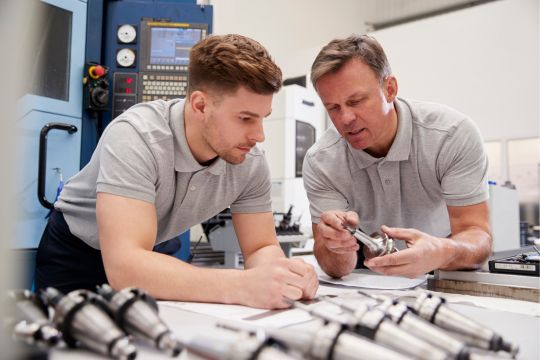
A medical device manufacturer relies on one approved supplier for a critical precision-machined component. When that supplier experiences an unexpected equipment failure, production could be delayed. Without a qualified alternative, the manufacturer has to rely on existing inventory until supply resumes.
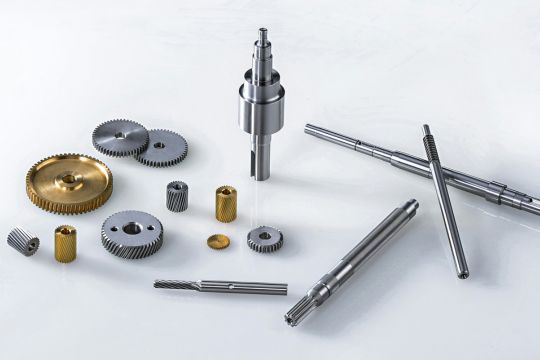
Component specifications, qualification requirements, and limited manufacturing capacity can make finding an alternative supplier especially difficult. To reduce supply disruptions, manufacturers need to know how to reduce single source medical device risk. This involves identifying vulnerable components, assessing the impact of shortages, and qualifying alternative suppliers where necessary.
Procurement must coordinate with engineering and quality teams to maintain controlled specifications, documented supplier evaluations, and practical contingency plans. Adding another supplier can reduce supply risk, provided it is qualified and ready to meet production and quality requirements.
Why Is Single-Source Dependency a Risk?
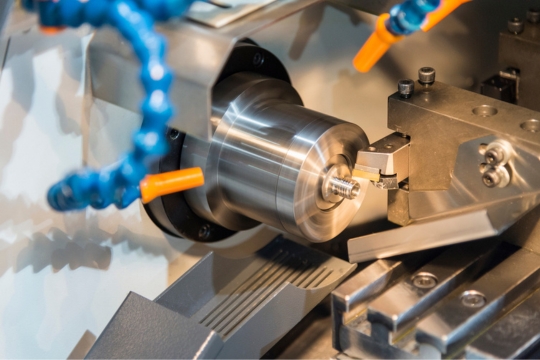
With single sourcing, a manufacturer chooses to purchase a component from one supplier, even when other manufacturers are capable of producing it. This arrangement can simplify purchasing coordination, consolidate order volumes, and reduce duplicated qualification expenses.
Sole sourcing, however, means no practical alternative is available, often due to proprietary technology, specialized equipment, or qualification limitations. Both arrangements create supplier concentration risk, but offer different options for managing it.
A machining supplier can experience several types of disruption:
- Equipment failures or unexpected maintenance delays
- Capacity constraints or workforce shortages
- Quality problems requiring investigation or corrective action
- Financial instability or changes in company ownership
- Raw material shortages or delays in subcontracted processes
A supply interruption could delay medical device assembly, affect finished-device availability, and disrupt customer deliveries. Finding a replacement supplier on short notice can also increase costs, particularly if new tooling, inspection, or qualification work is required.
Before another machine shop can take over production, its manufacturing capabilities and processes must be evaluated, quality requirements verified, and the required approvals obtained. Relying on one dependable supplier can still make sense for specialized or low-volume components. However, a strong track record does not eliminate the risks of losing that supplier.
Which Components Need a Backup Supplier?
Critical component diversification should focus on parts with the greatest supply risk, since qualifying additional suppliers requires time, engineering and quality resources, and additional costs. Begin by reviewing the bill of materials and identifying parts with only one approved manufacturing source.
For each component, assess its importance to finished-device production, replenishment lead time, inventory coverage, supplier performance, and manufacturing complexity. Also consider components with tight tolerances, specialized materials, unique tooling, or manufacturing processes that few suppliers can handle.
Single-Source Component Risk Assessment
A single source risk matrix for medical devices can help procurement assess components based on five factors:
- Likelihood of disruption: Review supplier delivery and quality performance, equipment dependencies, financial stability, and material availability.
- Production impact: Assess whether a shortage could halt assembly, delay production, or disrupt customer deliveries.
- Replacement difficulty: Consider the availability of alternative suppliers and the time, cost, and requirements for qualifying one.
- Expected recovery time: Estimate how long it would take to restore supply or obtain approved parts from another supplier.
- Existing protection: Review available inventory, qualified alternatives, and contingency plans to identify remaining risks.
Procurement can classify components as high, medium, or low risk using its own scoring criteria. The assessment should also consider reducing component obsolescence risk in medical manufacturing. Discontinued materials, outdated equipment, or unavailable subcontracted processes can make it harder to source a component over time. Components with severe production consequences and long replacement timelines should receive early attention, even if the current supplier has performed reliably.
How Do You Qualify a Secondary Supplier?
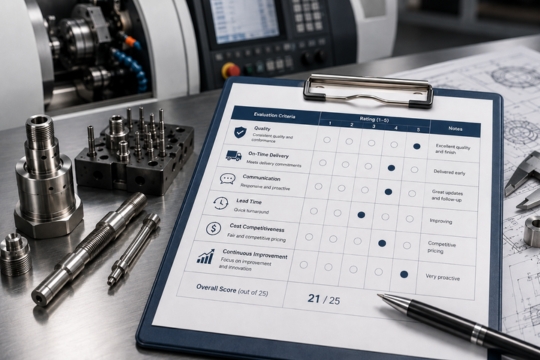
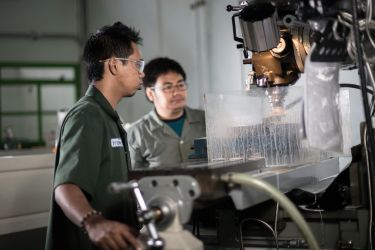
Procurement, engineering, and quality teams should assess whether a potential supplier has the equipment, manufacturing capabilities, and process controls needed to consistently meet the component's specifications.
Before approving a secondary supplier, procurement teams should assess:
- Manufacturing capabilities: Confirm that the supplier's equipment and processes can meet the required geometry, tolerances, surface finishes, and production volumes.
- Relevant experience: Review experience producing similar precision-machined medical components.
- Quality management: Assess relevant certifications, including ISO 13485, along with inspection capabilities, manufacturing controls, nonconformance procedures, and supplier audits where warranted by component risk.
- Material and process dependencies: Check raw material sources, subcontractors, and any dependencies shared with the current supplier.
- Production capacity: Confirm that the supplier can handle projected demand alongside existing orders.
- Commercial feasibility: Compare pricing, tooling and qualification costs, lead times, and ongoing supplier management expenses.
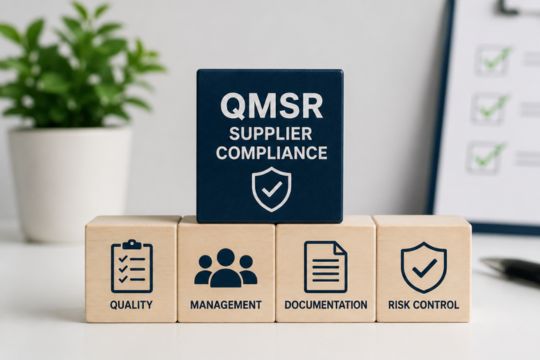
For U.S. medical device manufacturers, the FDA's Quality Management System Regulation (QMSR), effective February 2, 2026, incorporates ISO 13485:2016 into 21 CFR Part 820. Manufacturers must also assess supplier suitability and monitor performance, taking into account component requirements and potential risks.
Dual Sourcing vs. Single Sourcing
Decisions about dual sourcing vs single sourcing medical devices depend on supply risk and the costs of qualifying and managing additional suppliers.
Single sourcing can simplify purchasing, consolidate order volumes, and reduce tooling and qualification costs, but it leaves the manufacturer dependent on one approved supplier.
Dual sourcing provides additional production capacity and a backup during disruptions, but requires extra qualification costs, supplier oversight, and potentially separate tooling and smaller order volumes per supplier.
When dual sourcing MedTech components, procurement should check if both suppliers rely on the same raw materials or subcontractors. Two machining suppliers might source the same specialized alloy or rely on the same subcontractor for finishing. A disruption at that source could affect both suppliers, so these shared dependencies should be considered when evaluating a backup supplier.
How Can You Prepare a Backup Supplier for Production?
The following steps cover the technical requirements, verification, and production arrangements needed to qualify a secondary machining supplier:
1. Establish Technical and Documentation Requirements

Procurement should work with engineering and quality teams to prepare the required technical documents. This package should include current approved drawings, specifications, revision levels, dimensional tolerances, material requirements, surface finishes, and acceptance criteria. Any critical requirements or manufacturing details missing from the drawings must also be clarified.
Documentation requirements can include material certifications, inspection records, component identification, and manufacturing traceability, depending on the part and its intended application. Before changing suppliers, procurement must also check for required customer approvals, supplier change notifications, and regulatory assessments.
2. Complete Qualification and Production Verification
With the technical requirements confirmed, the prospective supplier can assess manufacturing feasibility and plan its production process. Depending on the component requirements and the manufacturer's quality system, this process may include:
- Sample production using the proposed equipment and tooling
- First article inspection (FAI) to verify that initial parts meet specifications
- Dimensional inspection and applicable functional or assembly testing
- Evaluation of manufacturing process controls and inspection methods
- Process validation where required
- Documentation and resolution of any nonconformances
First article inspection establishes whether initial parts meet specified requirements, but additional verification or process validation may be needed to confirm production consistency. Engineering and quality should address any qualification issues and determine if further testing is needed. The alternate supplier must obtain the required internal approvals before starting production.
3. Confirm Documentation and Supply Readiness
A supplier on the approved supplier list may still lack the capacity, raw materials, tooling arrangements, or recent production evidence needed to respond to a disruption. Procurement should confirm lead times, production capacity, order-release procedures, and responsibilities for reporting disruptions or manufacturing changes.
When components come from multiple facilities, documentation must remain consistent with the manufacturer's requirements, including material-lot identification, inspection records, production records, and revision control. Additional guidance on supplier traceability in medical procurement explains how these records help maintain visibility across suppliers. Keeping qualification records current is also necessary to maintain supplier qualification redundancy. Manufacturers can maintain readiness through periodic production orders, scheduled qualification runs, or other documented arrangements suited to component risk and expected demand.
What If a Second Source Is Not Available?
Some precision-machined components cannot be dual-sourced quickly. Proprietary manufacturing methods, design restrictions, specialized tooling, or lengthy qualification requirements can limit the available choices.
In these circumstances, supplier risk mitigation strategies should focus on limiting production disruptions while keeping alternative sourcing options open.
- Strategic inventory: Evaluate safety stock based on demand, replenishment lead times, component criticality, storage requirements, and potential qualification delays.
- Capacity planning: Share demand forecasts with the supplier and discuss how volume changes could affect equipment availability and production schedules.
- Business continuity: Review contingency plans for equipment failures, facility disruptions, workforce shortages, and quality problems. Contract manufacturer business continuity planning should also cover recovery procedures and communication responsibilities.
- Tooling and technical records: Clarify ownership, access, maintenance, storage, and transfer rights for customer-owned tooling, fixtures, and manufacturing documentation.
- Material availability: Monitor specialized materials for shortages or discontinuation, and have engineering assess potential alternatives under applicable change controls.
- Supplier collaboration: Establish escalation contacts and notification procedures for disruptions that could affect deliveries.
Consider a manufacturer whose only qualified supplier experiences an equipment failure that could delay production longer than its existing inventory can cover. Procurement could review buffer inventory with operations, check the supplier's equipment recovery plans, and assess potential alternative suppliers.
While these measures can reduce supply risk while qualification is underway, they cannot guarantee uninterrupted deliveries. Knowing how to reduce single source medical device risk when no alternative is available requires documenting remaining risks, assigning responsibilities, and setting review dates.
How Do You Maintain Supply Chain Resilience?
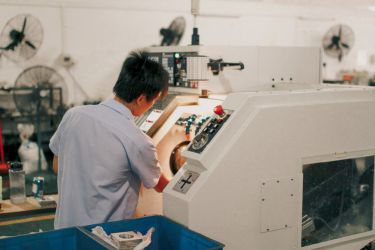
Maintaining medical device supply chain resilience requires regular reviews of supplier qualifications and contingency plans. A manufacturer that was prepared to produce an alternate component last year might have different capacity, equipment, personnel, or material sourcing arrangements today. Procurement should monitor supplier performance and address changes that could disrupt production or delay deliveries.
Supplier monitoring should cover the following:
- Delivery and quality performance: Monitor on-time delivery, lead-time variability, nonconformances, and corrective and preventive action (CAPA) records.
- Supplier changes: Review significant changes involving ownership, facility location, manufacturing equipment, processes, or subcontractors.
- Qualification status: Confirm that approved drawings, supplier records, inspections, and other necessary qualification evidence are up to date.
- Operational readiness: Confirm that secondary suppliers have the capacity, materials, and tooling needed to accept production orders.
- Contingency planning: Update inventory assumptions, recovery arrangements, escalation contacts, and responsibilities as demand or supplier conditions change.
Clear supplier change notification requirements should be in place so procurement and quality teams can assess any changes that could affect production. Procurement should establish who can authorize a sourcing contingency and what engineering, quality, or regulatory assessments are required before changing production arrangements. These responsibilities and supplier records should be reviewed on a risk-based schedule to help procurement respond to supply disruptions.
Building a More Resilient Medical Supply Chain
Knowing how to reduce single source medical device risk requires evaluating component criticality, replacement difficulty, and the consequences of supply interruptions. Qualifying additional suppliers can reduce reliance on a single source, while contingency planning and regular supplier monitoring help maintain production continuity.
For procurement teams exploring additional precision machining partners, Swiss Machine Products offers Swiss-style CNC machining, CNC turning and milling, and ISO 9001- and ISO 13485-certified quality systems. Review its Swiss machining capabilities and capacity to see how its services align with your component requirements.